image source: Siwawut Phoophinyo
The Self‑Consumption (SELCO) programme allows solar photovoltaic (PV) installations for on-site use only—without exporting surplus energy to the grid. Surplus export is strictly prohibited under SELCO, making it distinct from Net Energy Metering (NEM) which allows grid credits.
SELCO is overseen by SEDA Malaysia and administered under the Electricity Supply Act 1990. Introduced in 2019, it enables commercial, industrial, and agricultural consumers to generate and consume solar electricity within their premises without quota limitations
Effective 1 January 2025, the Ministry of Energy Transition and Water Transformation (PETRA) and the Energy Commission issued revised SELCO guidelines, introducing several key policy enhancements.
These changes align with Malaysia’s broader National Energy Transition Roadmap (NETR), which targets a 70 % renewable energy share by 2050. Coupled with rising electricity tariffs and growing ESG disclosure demands, the updated SELCO framework is particularly relevant for businesses looking to accelerate solar adoption.
SELCO aims to promote on-site solar consumption and reduce reliance on grid electricity, especially for high daytime energy users. The programme supports energy resilience, cost savings, and sustainability goals—making it a viable alternative when grid export options (such as NEM) are limited or infeasible.
The 2025 SELCO Guidelines introduced five major changes:
a. Removal of capacity limit
The previous cap of 85 % of the user’s maximum demand for non-domestic PV systems has been abolished, allowing businesses to size systems for full energy needs.
b. Expanded installation options
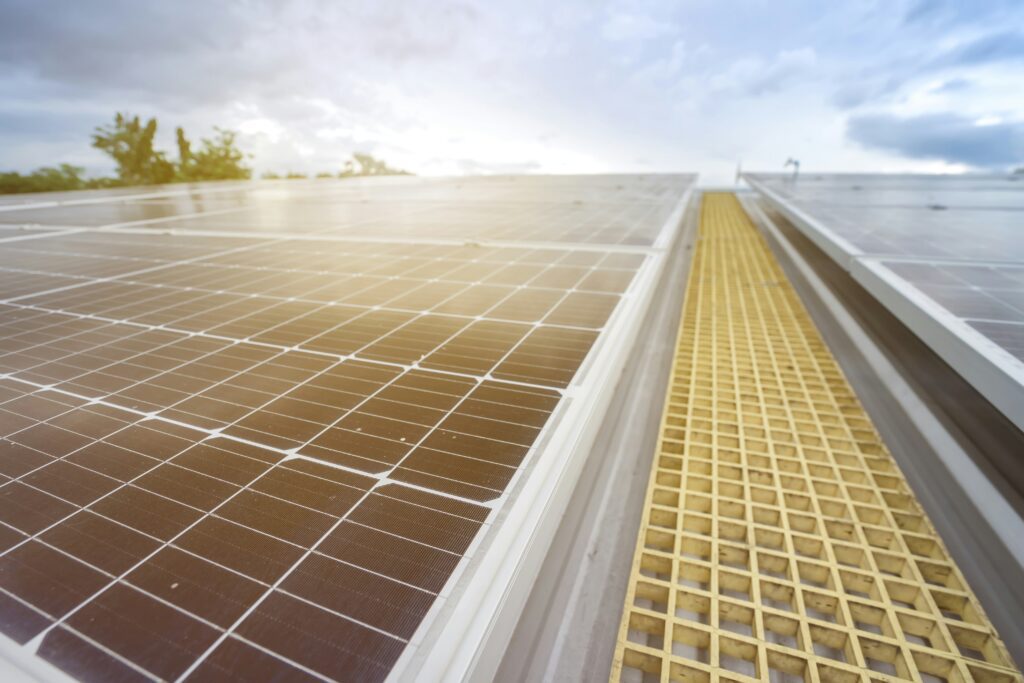
Solar PV installations are now allowed on ground-mounted and floating solar systems within the same premises—not just rooftops.
c. Inclusion of agricultural sector
SELCO is now open to electricity consumers in agriculture, broadening access beyond traditional C&I users.
d. Battery Energy Storage System (BESS) mandate
For systems above 72 kWp, a BESS equal to or greater than solar capacity is required to help maintain grid stability. However, installations commenced before 31 December 2025 are exempted from the BESS requirement.
e. Standby charges revised
Standby fees apply only to installations above 1 MWp, now set at RM 12/kWp/month, down from RM 14/kWp. Systems under 1 MWp are exempt.
f. Connection Assessment Study (CAS)
The previous Power System Study (PSS) has been replaced with a Connection Assessment Study, conducted by the project’s design engineer for installations above 72 kWp.
Energy independence and cost savings: Businesses can now cover up to 100 % of their energy needs through solar, reducing exposure to rising grid tariffs projected for mid-2025 and beyond.
Faster deployment: No quota constraints and an exemption from BESS if installed before the deadline allow for quicker project timelines.
Wider eligibility: The extension to agriculture and alternate mounting configurations unlocks solar access for new sectors and site types.
Grid stability support: BESS requirements and standby charges help offset intermittency and ensure system reliability.
Reduced capex burden: Temporary BESS exemption and lower standby fees reduce upfront cost burdens.
Industry groups like the Federation of Malaysian Manufacturers (FMM) have welcomed the removal of capacity limits and broader access, though they expressed concern over added cost burdens from BESS mandates and standby charges, estimating potential increases of up to 40% in project cost.
The SELCO Program 2025 offers businesses powerful opportunities to adopt solar energy with greater flexibility and reduced regulatory barriers. While the new Rules introduce standby charges and mandatory BESS for larger installations beyond 2025, the exemptions and broadened scope make SELCO a compelling choice for solar-ready operations.
As Malaysia continues its energy transition under NETR, SELCO stands out as a strategic tool for companies aiming to lower costs, strengthen energy resilience, and advance sustainability goals.
Let our specialists assess your energy needs and recommend the ideal solution. Simply share your details, and our team will be in-touch shortly.